
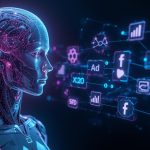






The world of search engine optimization (SEO) has always been dynamic — but the changes brought by Artificial Intelligence (AI) in recent years are nothing short of revolutionary. As we move through 2025, AI isn’t just influencing SEO; it’s redefining it entirely.
From smart algorithms and predictive analytics to automated content optimization and voice search, AI is transforming how websites are ranked, how content is created, and how marketers connect with their audiences. The days of simple keyword stuffing and backlink chasing are gone. SEO in 2025 is about understanding intent, context, and experience — and AI is the driving force behind it all.
Let’s explore how AI is reshaping SEO strategies in 2025 and what marketers need to do to stay ahead.
- From Keywords to Intent: Smarter Search Algorithms
In the past, SEO revolved around finding the right keywords and sprinkling them throughout content. But search engines have evolved, and so have their algorithms — thanks to AI.
Google’s AI-based algorithms, such as RankBrain, BERT, and MUM, now focus on understanding search intent rather than just literal keyword matches. This means that when someone searches “best shoes for marathon training,” Google no longer just looks for those words — it tries to understand why the person is searching and what they actually want to know.
In 2025, this evolution has deepened. AI models analyze context, semantics, and user behavior patterns to interpret the real meaning behind queries.
For marketers, this means that SEO strategy must prioritize user intent optimization — crafting content that directly answers users’ needs, not just matching search phrases. Successful SEO is now about clarity, depth, and relevance, powered by a deep understanding of how AI interprets human language.
- The Rise of AI-Generated and Optimized Content
Content creation has traditionally been time-intensive, but AI is turning it into a strategic advantage. Tools powered by natural language generation (NLG) and machine learning now assist marketers in producing optimized content faster and smarter.
In 2025, AI-driven platforms can:
- Generate SEO-friendly blog drafts with data-backed keyword placement.
- Analyze top-performing pages to suggest improvements in structure, tone, and length.
- Predict which topics will trend based on search data and online conversations.
However, AI isn’t replacing human creativity — it’s enhancing it. The best results come from human-AI collaboration, where AI handles data-driven optimization while humans inject originality, emotion, and storytelling.
Marketers using AI tools for SEO content are saving time, improving consistency, and ranking higher — not because they produce more, but because they produce smarter.
- Voice Search and Conversational SEO
Voice search has exploded over the past few years, and in 2025, it’s an integral part of SEO strategy. With billions of smart devices powered by assistants like Alexa, Siri, and Google Assistant, people now search by speaking rather than typing.
This shift has profound implications. Voice searches are:
- Longer and more conversational.
- Often phrased as questions (“What’s the best restaurant near me?”).
- Highly intent-driven and localized.
AI plays a critical role here by helping search engines interpret spoken language patterns, accents, and context. For marketers, this means optimizing for natural language and question-based keywords.
Instead of focusing on “cheap hotels NYC,” smart SEO in 2025 targets phrases like “Where can I find affordable hotels near Times Square?”
Adapting to this new conversational SEO approach ensures that brands appear in voice results — often as the single answer read aloud by voice assistants, which can dramatically boost visibility.
- AI-Powered Search Personalization
Search results in 2025 are no longer one-size-fits-all. AI is making search experiences hyper-personalized based on individual user behavior, location, device, and even past interactions.
Google and other search engines use machine learning to analyze each user’s history, preferences, and intent to deliver custom-tailored results. For instance:
- Two users searching for “best fitness apps” may see entirely different results — one focused on weight loss, another on strength training.
- Someone searching late at night might see different content suggestions than during working hours.
For marketers, this means SEO can’t just focus on rankings anymore — it must focus on relevance for specific audiences.
AI tools help identify audience clusters and tailor content variations for each, ensuring higher engagement and click-through rates. Personalization is no longer optional; it’s the foundation of modern SEO success.
- Predictive SEO and Trend Forecasting
AI has taken the guesswork out of SEO strategy. Through predictive analytics, it can now forecast which keywords, topics, or content formats will gain traction — long before competitors catch on.
Machine learning models analyze:
- Search trend trajectories.
- Seasonal data and consumer behavior.
- Emerging topics from social and news platforms.
By 2025, this predictive capability allows marketers to stay one step ahead, creating content before demand peaks. For example, an AI system might detect rising interest in “AI-powered home devices” months before it becomes a mainstream trend, giving early adopters a competitive advantage.
This data-driven foresight makes SEO strategies more proactive and cost-effective — reducing wasted effort on declining topics and maximizing visibility when it matters most.
- Visual and Video Search Optimization
Search is no longer limited to text. AI is revolutionizing visual and video search, allowing users to search by image, screenshot, or video clip.
Platforms like Google Lens, Pinterest Lens, and TikTok Search are redefining how people discover content. In 2025, AI-powered image recognition can identify products, analyze contexts, and even understand visual aesthetics.
For example:
- A user can snap a picture of a pair of shoes, and AI will find similar products online.
- Video algorithms can detect topics, objects, and spoken words within videos to make them searchable.
For marketers, optimizing visual and video content with AI-readable metadata, descriptive captions, and structured data is critical. This not only improves visibility in visual searches but also boosts engagement across media-rich platforms.
- User Experience (UX) as an SEO Ranking Factor
AI’s influence extends beyond content — it’s reshaping how search engines measure user experience (UX).
Google’s algorithms now use AI to evaluate site metrics such as:
- Page load speed.
- Mobile responsiveness.
- Navigation ease.
- Engagement signals like dwell time and bounce rate.
In 2025, AI has made these UX signals even more sophisticated. Search engines assess how users feel while interacting with a page — analyzing behaviors like scroll depth, click flow, and even sentiment from feedback forms.
For marketers, this means SEO is inseparable from design and usability. A well-optimized site isn’t just keyword-rich — it’s intuitive, engaging, and satisfying for users.
AI tools can now audit UX performance automatically, flagging issues that affect both ranking and user retention, helping brands deliver seamless digital experiences.
- The Evolution of Link Building through AI
Backlinks remain a key ranking factor, but AI has changed how they’re evaluated. Search engines now use ML models to assess contextual relevance and link quality rather than just volume.
In 2025, it’s no longer enough to gather thousands of links — AI algorithms can distinguish between genuine editorial mentions and manipulative link-building tactics.
Marketers are turning to AI tools that:
- Analyze backlink profiles for risk and authority.
- Identify partnership opportunities based on topical relevance.
- Detect toxic or spammy links that could hurt rankings.
This smarter approach ensures that link-building efforts are ethical, strategic, and aligned with Google’s evolving standards — reducing penalties and strengthening domain authority organically.
- Automation and Efficiency in SEO Workflows
AI is making SEO more efficient than ever. Tasks that once required hours of manual work — like keyword research, technical audits, and competitor analysis — are now automated.
AI-driven SEO tools can:
- Identify ranking opportunities instantly.
- Audit websites for errors and recommend fixes.
- Optimize metadata, headings, and schema markup automatically.
This automation not only saves time and resources but also improves accuracy. SEO teams can focus more on creative strategy and less on repetitive data tasks, improving overall ROI.
In 2025, successful marketers aren’t those who work harder — but those who work smarter with AI-powered tools.
- Ethics, Transparency, and Human Oversight
As AI becomes central to SEO, ethical marketing practices are increasingly important. Over-automation and algorithm manipulation can lead to short-term gains but long-term penalties or trust issues.
The future of SEO lies in human-guided AI — where marketers oversee, refine, and ethically implement machine-driven insights.
Transparency about data usage, content authenticity, and user privacy is essential. Search engines themselves are rewarding transparency, prioritizing trustworthy sources and human-centered experiences over purely automated content.
In short, AI is a tool — not a replacement for human creativity or ethics.
Conclusion: The Intelligent Future of SEO
In 2025, AI is not just an SEO trend — it’s the engine driving search innovation. It helps marketers understand intent, predict trends, create optimized content, and deliver personalized experiences that resonate with real people.
The core principles of SEO — relevance, value, and trust — remain unchanged. What’s changed is how we achieve them. With AI, SEO is evolving from a set of technical tactics into a holistic, intelligent ecosystem.
The marketers who thrive in this new era will be those who embrace AI not as a shortcut but as a strategic partner — combining data-driven precision with human insight.
Because in the end, the goal of SEO hasn’t changed: to connect people with the answers they seek. AI just helps us do it smarter, faster, and better than ever before.


