
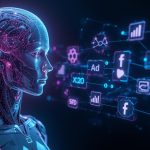






In the digital age, content is king, but producing content that truly resonates with audiences and drives engagement is increasingly challenging. Marketers and creators often rely on intuition, past experience, or trial and error to decide which blog posts, videos, or social media updates will perform well. However, these methods are not always reliable. This is where Artificial Intelligence (AI) comes into play. AI can analyze massive amounts of data, identify patterns, and predict which content is likely to succeed before it’s even published.
In this article, we explore how AI predicts which content will perform best, the technologies behind it, practical applications, and how marketers can leverage AI to make smarter content decisions.
- Understanding AI-Powered Content Prediction
AI-powered content prediction uses data analysis, machine learning, and natural language processing (NLP) to forecast the potential performance of digital content. Unlike traditional analytics, which look at past performance, AI combines historical data, real-time trends, and audience behavior to provide predictive insights.
Key goals of AI content prediction include:
- Identifying content likely to drive engagement, clicks, or shares.
- Forecasting audience reactions and preferences.
- Optimizing topics, formats, and headlines before publication.
- Reducing the time and resources spent on trial-and-error content creation.
By leveraging AI, marketers can create data-informed content strategies that are more efficient, targeted, and effective.
- How AI Analyzes Content Performance
AI predicts content performance by analyzing multiple factors simultaneously. These include:
- Historical Performance
AI examines previous content metrics such as page views, likes, shares, comments, and click-through rates. Patterns from high-performing content are used to predict which new content is likely to succeed.
- Audience Behavior
AI tracks how users interact with content:
- Time spent on page
- Scroll depth
- Video watch duration
- Clicks and conversions
By understanding audience engagement patterns, AI can suggest content formats, topics, or styles that resonate most.
- Keyword and SEO Analysis
AI tools analyze keyword performance, search volume, and competition. Predictive models determine which keywords are likely to drive traffic and optimize content to rank higher in search engines.
- Trend Analysis
AI scans social media, forums, and news platforms to detect emerging trends. This allows content creators to produce timely content with higher chances of virality or relevance.
- Sentiment and Emotional Analysis
AI uses NLP to assess the emotional tone of content and audience reactions. Content with positive, inspiring, or highly engaging tones can be predicted to perform better in terms of shares and engagement.
- AI Technologies Behind Content Prediction
Several AI technologies contribute to predicting content performance:
- Machine Learning
Machine learning algorithms identify patterns in large datasets. For example, an algorithm can learn which types of blog posts historically generate the most traffic for a specific niche and predict future performance based on topic, length, and style.
- Natural Language Processing (NLP)
NLP enables AI to understand the meaning, context, and sentiment of text. This allows AI to evaluate whether a headline, paragraph, or article is likely to resonate with readers.
- Predictive Analytics
Predictive analytics uses historical and real-time data to forecast future outcomes. Marketers can anticipate engagement metrics like page views, shares, and conversion rates before publishing content.
- Social Listening AI
AI tools scan social media for trending topics, hashtags, and audience conversations. Insights from social listening help marketers predict which content topics are timely and relevant.
- Practical Applications of AI in Content Prediction
- Optimizing Blog Posts
AI can suggest topics, headlines, and formats most likely to generate traffic. For instance, a blog post about “AI in Marketing” could be optimized with predictive insights on headline structure, word count, and keyword density.
- Enhancing Social Media Campaigns
AI predicts which posts will receive the most engagement based on historical data and trending topics. Social media managers can schedule high-performing content for maximum reach.
- Email Marketing
AI predicts which subject lines, content types, and call-to-action phrases will drive higher open and click-through rates, enabling more effective email campaigns.
- Video Content
AI analyzes viewer behavior patterns—such as watch time, retention rate, and engagement—to forecast which video formats, lengths, or topics will perform best.
- Ad Copy and PPC Campaigns
AI predicts which ad copy, headlines, and visuals are most likely to drive clicks and conversions, allowing marketers to optimize campaigns before spending heavily on testing.
- Benefits of Using AI to Predict Content Performance
- Data-Driven Decision Making
AI removes guesswork from content creation, allowing marketers to make informed, evidence-based decisions.
- Increased Engagement
By predicting which content resonates with audiences, AI helps improve clicks, shares, time on page, and conversions.
- Efficiency and Resource Optimization
AI reduces time spent on trial-and-error content creation, allowing teams to focus on strategic initiatives and high-value activities.
- Competitive Advantage
Brands using AI to predict content trends can stay ahead of competitors by producing timely, relevant, and engaging content.
- Scalability
AI allows content prediction at scale, enabling marketers to optimize hundreds of articles, videos, or social posts simultaneously.
- Challenges and Considerations
While AI offers powerful insights, marketers should be aware of challenges:
- Data Quality
AI predictions are only as good as the data it analyzes. Inaccurate or biased data can lead to incorrect predictions.
- Creativity Limitations
AI excels at analyzing patterns, but predicting virality or audience sentiment is not foolproof. Human creativity remains crucial for crafting compelling narratives.
- Over-Reliance on AI
Relying solely on AI can make content formulaic or repetitive. Predictive insights should guide, not replace, strategic thinking.
- Privacy Concerns
Predictive analytics often rely on user behavior data. Marketers must ensure compliance with privacy regulations like GDPR and CCPA.
- Best Practices for Leveraging AI in Content Prediction
- Combine AI with Human Judgment
Use AI insights as a guide, but allow human creativity and intuition to refine content ideas, tone, and storytelling.
- Continuously Monitor Results
Track actual content performance against AI predictions. This feedback loop improves the accuracy of predictive models over time.
- Focus on High-Impact Content
Prioritize predicting performance for content that drives key metrics such as conversions, subscriptions, or revenue, rather than low-value content.
- Segment Audiences
AI predictions are more accurate when tailored to specific audience segments. Customize insights based on demographics, behavior, and preferences.
- Stay Updated on Trends
AI can identify trends, but human oversight ensures that predicted content aligns with brand voice, values, and strategic objectives.
- Tools for Predictive Content Insights
Several AI tools are particularly effective for predicting content performance:
- HubSpot Content Strategy Tool – Analyzes keywords and topics to predict traffic potential.
- BuzzSumo – Provides insights into trending content, social shares, and engagement metrics.
- MarketMuse – Uses AI to recommend content topics and optimizations based on predictive insights.
- Crimson Hexagon / Brandwatch – Offers social listening and predictive trend analysis.
- Clearscope – Suggests content optimization strategies to maximize SEO and engagement potential.
Using these tools enables marketers to make data-informed decisions before investing resources in content production.
- Real-World Examples of AI Content Prediction
Example 1: Blog Optimization
A software company used AI to analyze its library of blog posts. Predictive insights suggested updating certain posts with trending keywords and restructuring headlines. The result was a 35% increase in organic traffic within three months.
Example 2: Social Media Campaign
A fashion brand leveraged AI to predict which Instagram posts would generate the most engagement. By scheduling content based on AI insights, likes and shares increased by 50%, outperforming previous campaigns.
Example 3: Video Performance
A tech YouTube channel used AI to forecast which tutorial topics would resonate most with its audience. After implementing AI-driven predictions, average watch time rose by 20%, boosting channel growth and ad revenue.
These examples illustrate the practical benefits of AI-driven content prediction across multiple channels.
- Conclusion
Predicting which content will perform best has traditionally been a mix of experience, intuition, and trial and error. Today, AI revolutionizes this process by analyzing massive datasets, detecting trends, and forecasting audience engagement with remarkable accuracy. By leveraging machine learning, NLP, predictive analytics, and social listening, marketers can make data-driven decisions that improve ROI, engagement, and content relevance.
However, AI is not a magic bullet. Human creativity, strategic oversight, and brand understanding remain essential. The most effective approach combines AI’s predictive power with human insight, ensuring content is both optimized for performance and aligned with brand values.
In 2025 and beyond, AI will continue to shape how content is created, optimized, and distributed. Brands that harness AI to predict content performance will gain a competitive advantage, producing content that resonates, engages, and drives meaningful results—before the first post even goes live.


