
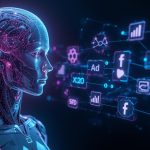






Social media advertising has evolved from simple boosted posts to sophisticated campaigns powered by Artificial Intelligence (AI). Today, AI helps marketers design, target, and optimize ads with unprecedented precision, ensuring higher engagement, better conversions, and improved ROI. Whether you’re advertising on Facebook, Instagram, TikTok, or LinkedIn, integrating AI into your strategy can transform your campaigns from average to exceptional.
This article explores how to create AI-powered social media ads that convert, including practical strategies, tools, and best practices for 2025 and beyond.
- Why AI Is a Game-Changer for Social Media Ads
AI enhances social media advertising by analyzing massive datasets, predicting user behavior, and optimizing campaigns in real-time. Traditional ad campaigns rely on manual targeting and post-launch adjustments, which are often slow and imprecise. AI, on the other hand, can:
- Predict which audiences are most likely to convert based on behavior and engagement patterns.
- Automate ad targeting and bidding to maximize budget efficiency.
- Generate creative suggestions for visuals, copy, and formats that resonate with audiences.
- Optimize campaigns in real time by reallocating resources to high-performing ads.
By leveraging AI, brands can create ads that not only reach the right people but also encourage action and drive results.
- Understanding AI-Powered Ad Tools
AI tools for social media advertising combine machine learning, predictive analytics, and natural language processing to improve targeting, creative design, and performance tracking. Some key features include:
- Audience Segmentation
AI identifies high-value audience segments by analyzing demographics, interests, online behavior, and engagement history. This allows for hyper-targeted campaigns tailored to specific groups.
- Predictive Analytics
AI predicts which users are most likely to engage or convert based on historical data and real-time activity, enabling smarter allocation of ad budgets.
- Automated Creative Generation
AI tools can suggest or even generate ad copy, images, or video content optimized for engagement and conversions. This speeds up the creative process and reduces reliance on guesswork.
- Real-Time Optimization
AI monitors ad performance continuously, adjusting bids, placements, and creative elements to maximize ROI automatically.
- A/B Testing at Scale
AI can run multiple variations of ads simultaneously, analyzing results to determine the most effective combinations of copy, visuals, and targeting.
- Steps to Create AI-Powered Ads That Convert
Step 1: Define Your Campaign Objectives
Before creating ads, clearly define what you want to achieve:
- Brand awareness – reach as many people as possible.
- Lead generation – capture email addresses or sign-ups.
- Sales conversions – drive purchases or downloads.
- Engagement – encourage likes, comments, shares, or clicks.
AI tools work best when they have a specific objective to optimize for, allowing algorithms to focus on metrics that matter most.
Step 2: Identify Your Ideal Audience
Use AI-powered analytics to segment audiences based on:
- Age, gender, and location
- Interests, hobbies, and online behavior
- Past engagement with your brand
- Purchase history and intent
Platforms like Facebook Ads Manager, LinkedIn Campaign Manager, and TikTok Ads offer AI-driven audience insights that pinpoint users most likely to convert.
Step 3: Generate AI-Optimized Ad Creative
AI tools can assist in producing high-converting ad visuals and copy:
- Copywriting: Tools like ChatGPT or Jasper AI can generate attention-grabbing headlines, product descriptions, and call-to-actions (CTAs).
- Visuals: AI image generators and video editing tools can create appealing graphics and short-form videos tailored to your target audience.
- Format Selection: AI can recommend which format—carousel, single image, video, Stories, or Reels—is most likely to engage your specific audience segment.
By combining AI-generated content with human creativity, marketers can ensure ads are both data-driven and emotionally resonant.
Step 4: Choose the Right Platform
AI can help identify which social media platforms are most effective for your campaign based on audience behavior and engagement patterns:
- Instagram and TikTok: Great for visual storytelling, influencer collaborations, and viral content.
- Facebook: Ideal for broad targeting, retargeting, and conversion-focused campaigns.
- LinkedIn: Best for B2B campaigns, professional audiences, and thought leadership content.
AI tools can even suggest cross-platform strategies to maximize reach and conversions.
Step 5: Leverage AI for Smart Targeting
Targeting is where AI shines. Techniques include:
- Lookalike Audiences: AI identifies users similar to your best customers.
- Behavioral Targeting: AI predicts which users are likely to engage based on browsing and interaction patterns.
- Dynamic Retargeting: AI serves personalized ads to users who have previously interacted with your content, increasing the likelihood of conversion.
This data-driven approach ensures your ad reaches the right users at the right time.
Step 6: Set AI-Driven Budget and Bidding Strategies
AI tools can optimize ad spend by:
- Predicting which segments are most likely to convert
- Allocating budget dynamically to high-performing ads
- Adjusting bids in real time to maximize ROI
This prevents wasted spend on low-performing placements and ensures maximum campaign efficiency.
Step 7: Monitor Performance and Optimize
AI provides continuous monitoring and real-time optimization by analyzing metrics such as:
- Click-through rate (CTR)
- Conversion rate
- Cost per click (CPC) and cost per acquisition (CPA)
- Engagement rate
Machine learning algorithms adjust targeting, creative, and bidding to improve results while the campaign is live.
- Examples of AI Tools for Social Media Ads
- Facebook Ads Manager
Uses AI to automate audience targeting, bid optimization, and A/B testing for various ad formats.
- Google Ads with Smart Bidding
AI predicts the likelihood of clicks and conversions, optimizing bids across search and display campaigns.
- TikTok Ads Manager
AI-driven recommendations for creative, targeting, and ad placement based on user engagement trends.
- AdCreative.ai
Generates high-performing ad visuals and copy optimized for engagement and conversions.
- Pattern89
Uses AI to analyze ad performance and provide predictive insights, helping marketers scale campaigns effectively.
- Benefits of AI-Powered Social Media Ads
- Higher Conversion Rates
AI predicts which users are most likely to convert, increasing the effectiveness of ad spend.
- Time and Cost Efficiency
Automation reduces manual targeting, creative testing, and campaign adjustments, saving both time and budget.
- Data-Driven Decision Making
AI provides insights that allow marketers to make informed decisions, reducing reliance on guesswork.
- Scalability
AI can manage thousands of ad variations across multiple platforms, making it easier to scale campaigns globally.
- Continuous Learning
AI algorithms learn from ongoing campaigns, improving future performance by identifying patterns in engagement and conversions.
- Best Practices for AI-Powered Social Media Ads
- Combine AI with Human Creativity
AI excels at data analysis and prediction, but human input is necessary for creative storytelling and brand voice.
- Test Multiple Variations
Use AI-driven A/B testing to experiment with different headlines, visuals, and CTAs, then optimize based on performance.
- Focus on Audience Intent
AI can predict behavior, but campaigns should be aligned with the audience’s stage in the buyer journey—awareness, consideration, or conversion.
- Monitor Performance Metrics
Track AI recommendations against real-world performance to ensure predicted outcomes match actual results.
- Stay Updated
Social media algorithms and AI tools evolve constantly. Keep up with updates to leverage new features and insights.
- Real-World Examples of AI-Powered Ad Campaigns
Example 1: E-Commerce Retailer
An online fashion retailer used AI to analyze audience behavior and create personalized Instagram and Facebook ads. The result was a 30% increase in click-through rates and a 25% increase in conversions.
Example 2: Food Delivery App
A food delivery app leveraged AI-driven predictive analytics to target users likely to order during peak hours. The campaign achieved higher engagement and lower cost-per-acquisition compared to previous manual targeting efforts.
Example 3: Tech Product Launch
A tech company used AI to generate multiple ad creatives for TikTok, then let AI test performance and optimize in real time. The campaign resulted in record-breaking engagement and sales conversions within the first week.
- Challenges and Considerations
While AI offers significant advantages, marketers should be mindful of potential challenges:
- Data Privacy
AI relies on user data to predict behavior. Ensure compliance with regulations like GDPR and CCPA.
- Over-Reliance on AI
AI is a tool, not a replacement for human strategy. Creativity and brand storytelling remain critical.
- Algorithm Bias
AI predictions are only as good as the data fed into the system. Monitor for bias or misinterpretation of trends.
- Platform Limitations
Different platforms provide varying levels of access to data and AI capabilities, which can affect ad optimization.
- The Future of AI in Social Media Advertising
- Hyper-Personalized Ads
AI will enable even deeper personalization, showing users content tailored to their preferences, behavior, and context.
- Predictive Creative Optimization
AI will automatically generate ad copy and visuals predicted to perform best for each target segment.
- Real-Time Behavioral Targeting
AI will track micro-behaviors in real time to adjust ad placement and creative for maximum engagement and conversion.
- Cross-Platform Campaign Management
AI will integrate campaigns across multiple social channels, optimizing spend, targeting, and content simultaneously.
- Emotionally Intelligent AI
Future AI will analyze emotional responses to ads, helping marketers create more impactful and engaging campaigns.
- Conclusion
Creating AI-powered social media ads that convert is no longer optional for brands looking to stay competitive. AI enables marketers to analyze data, optimize targeting, generate creative, and adjust campaigns in real time, maximizing engagement and conversions.
The key to success lies in combining AI’s predictive and analytical power with human creativity and strategic insight. By leveraging AI tools effectively, brands can reach the right audience with the right message at the right time, resulting in higher ROI, increased engagement, and stronger brand impact.
In 2025 and beyond, AI will continue to shape the future of social media advertising, transforming campaigns from generic promotions to highly targeted, data-driven experiences that convert.


