
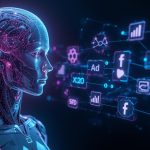






The digital marketing world is moving faster than ever. Consumer behaviors evolve daily, competition intensifies, and attention spans shrink. In this dynamic landscape, making the right marketing decisions can feel like trying to hit a moving target. But what if marketers could see the future—anticipating customer actions, predicting trends, and launching campaigns with data-backed confidence?
That’s exactly what predictive analytics enables. It’s not science fiction—it’s the foundation of modern, intelligent marketing. In 2025 and beyond, predictive analytics is redefining how businesses connect with audiences, optimize budgets, and drive growth.
Let’s explore how predictive analytics works, why it’s revolutionizing marketing, and how it’s shaping the future of smart campaigns.
What Is Predictive Analytics in Marketing?
Predictive analytics is the science of using historical data, machine learning, and statistical algorithms to forecast future outcomes. In marketing, it means analyzing past consumer behavior to predict what customers will likely do next—whether that’s clicking an ad, making a purchase, unsubscribing, or becoming loyal advocates.
Unlike traditional analytics, which tells marketers what happened, predictive analytics answers what will happen next. It transforms raw data into actionable foresight, allowing marketers to make smarter, faster, and more informed decisions.
For instance, predictive models can determine:
- Which leads are most likely to convert.
- Which products a customer might buy next.
- When engagement rates will peak.
- How much to spend on each channel for maximum ROI.
Essentially, predictive analytics turns marketing from reactive to proactive.
Why Predictive Analytics Matters in 2025
The sheer volume of data generated every second—through social media, websites, apps, and IoT devices—is staggering. Yet, without intelligent analysis, data alone is meaningless. Predictive analytics bridges this gap by transforming complex datasets into foresight and precision.
In 2025, this technology has become a necessity rather than an option for three main reasons:
- Customer Expectations Are Higher Than Ever:
Consumers expect brands to anticipate their needs and deliver personalized experiences instantly. Predictive models allow marketers to tailor messages and offers before the customer even realizes they need them. - Marketing Budgets Are Under Pressure:
With economic shifts and rising ad costs, companies must optimize every dollar. Predictive analytics helps allocate budgets efficiently by identifying which campaigns or audiences yield the best returns. - Competition Is Fierce:
Every brand competes for the same attention. The ones leveraging predictive intelligence have a clear advantage—they understand trends earlier and adapt faster than the rest.
The Core of Predictive Marketing: Data and AI
Predictive analytics relies on two key ingredients: data and AI (Artificial Intelligence).
AI algorithms analyze historical data from multiple sources—CRM systems, website analytics, email interactions, social media engagement, and even offline transactions. Machine learning models then identify patterns that indicate likely future behaviors.
For example, if data shows that customers who buy skincare products often purchase makeup within 30 days, AI will detect that correlation and recommend targeted follow-up campaigns automatically.
The more data the system processes, the smarter it becomes. Over time, it continuously refines predictions, ensuring marketing campaigns remain relevant and efficient.
Types of Predictive Analytics Used in Marketing
Predictive analytics covers several distinct applications that help marketers at every stage of the customer journey. Here are the most impactful ones:
- Predictive Lead Scoring
Every business receives leads, but not all leads are equal. Predictive lead scoring uses AI to evaluate which prospects are most likely to convert. It examines factors such as engagement history, demographics, website behavior, and prior interactions to assign a “conversion probability” score.
Marketers can then prioritize high-scoring leads, personalize outreach, and nurture potential customers more effectively.
- Customer Lifetime Value (CLV) Prediction
AI can estimate how much revenue a customer will generate throughout their relationship with a brand. This helps marketers focus on retaining high-value customers and tailoring loyalty programs that maximize profitability.
- Churn Prediction
Predictive analytics can spot early signs of disengagement—such as decreased email opens, reduced purchases, or negative sentiment. By identifying customers at risk of leaving, brands can intervene proactively with special offers or re-engagement strategies.
- Product Recommendation Models
E-commerce giants like Amazon thrive on predictive recommendation engines. These models analyze browsing and purchase data to suggest products customers are likely to buy next, boosting cross-selling and upselling opportunities.
- Campaign Optimization
AI-driven predictive systems can simulate campaign outcomes before launch. They predict which combination of creative elements, audience segments, and channels will perform best—minimizing waste and maximizing ROI.
How Predictive Analytics Transforms Marketing Campaigns
Predictive analytics isn’t just about data—it’s about smarter decision-making. Here’s how it transforms the marketing process from end to end:
- Smarter Audience Targeting
Instead of relying on broad demographics, marketers can target micro-segments with laser precision. AI identifies niche customer clusters based on behavior, interests, and intent—ensuring each message reaches the right person at the right time.
- Personalized Customer Experiences
Predictive analytics powers hyper-personalization. For example, if a fitness brand predicts that a customer will soon need new running shoes based on past purchase cycles, it can deliver timely recommendations or discounts before the customer even searches.
- Optimized Budget Allocation
Marketing budgets are often wasted on underperforming campaigns. Predictive analytics helps marketers allocate funds intelligently by forecasting which channels or creatives will yield the best results.
- Enhanced Content Strategy
By understanding which types of content drive engagement and conversions, predictive models help marketers create content that resonates. AI can even predict which blog topics or video formats will trend next.
- Real-Time Adaptation
Predictive analytics doesn’t stop once a campaign launches. It monitors performance in real time, identifies shifts in customer behavior, and automatically adjusts strategies for optimal results.
The Role of Machine Learning and Automation
Machine learning is the driving force behind predictive analytics. It allows systems to learn from data patterns without human intervention and continuously improve over time.
In 2025, predictive marketing platforms use automated machine learning (AutoML)—a form of AI that builds, tests, and refines predictive models with minimal manual setup.
This automation saves marketers enormous amounts of time. Instead of analyzing spreadsheets, they can focus on strategy, creativity, and customer experience. The technology handles the analytics heavy lifting, making insights accessible even to non-technical teams.
Examples of Predictive Analytics in Action
To understand its impact, let’s look at how brands use predictive analytics today:
- E-commerce: AI predicts when a customer is likely to make their next purchase, prompting automated reminders or personalized discounts.
- Streaming Services: Platforms like Netflix analyze viewing habits to predict what users will watch next, increasing retention and engagement.
- Retail: Predictive inventory systems forecast demand, ensuring popular products are always in stock.
- Email Marketing: Predictive models determine the best time to send emails and which subject lines drive the highest open rates.
These applications show that predictive analytics isn’t just about insights—it’s about action.
Challenges of Predictive Analytics
While the potential is massive, predictive analytics isn’t without challenges.
- Data Quality: Poor or incomplete data leads to inaccurate predictions.
- Privacy Concerns: As regulations tighten, marketers must use AI ethically and ensure compliance with data protection laws.
- Interpretation: Predictive models show what might happen, but marketers must still understand why to make informed strategic decisions.
Overcoming these challenges requires transparency, responsible data handling, and collaboration between marketing and data science teams.
The Future: Predictive Analytics Meets Creativity
The future of marketing belongs to those who blend data with imagination. Predictive analytics will continue to evolve, integrating with generative AI to create campaigns that are both data-driven and creatively inspiring.
Imagine a world where AI not only predicts what customers want but also generates personalized creative content for them automatically. Campaigns will adapt in real time, visuals will evolve with audience behavior, and marketing will feel truly conversational.
As technology advances, marketers will shift from analyzing numbers to orchestrating experiences.
Conclusion: The Smart Campaign Revolution
Predictive analytics isn’t just another marketing trend—it’s the foundation of the next generation of smart campaigns.
By turning data into foresight, AI empowers marketers to move from guesswork to precision. It helps businesses anticipate needs, personalize at scale, and make smarter investments that deliver measurable growth.
The future of marketing isn’t about reacting—it’s about predicting. And those who embrace predictive analytics today will lead the way in creating smarter, more meaningful, and more successful campaigns tomorrow.


