
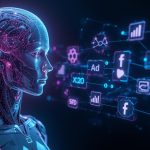



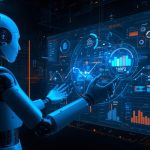


In the ever-evolving world of digital marketing, one truth stands out: content remains king. But in today’s data-driven landscape, creating great content isn’t enough. Brands must deliver the right content to the right audience at the right time — and that’s where machine learning (ML) steps in as the quiet powerhouse behind the modern content marketing revolution.
Machine learning, a subset of artificial intelligence (AI), enables computers to analyze data, recognize patterns, and make predictions with minimal human intervention. In the context of marketing, ML doesn’t just automate tasks — it enhances decision-making, personalizes experiences, and amplifies performance.
From understanding audience preferences to predicting engagement and optimizing distribution, machine learning is transforming content marketing from an art guided by intuition into a science powered by intelligence. Let’s explore how it’s reshaping the landscape and why it’s crucial for every brand in 2025 and beyond.
- Understanding Machine Learning’s Place in Marketing
Machine learning in content marketing goes far beyond automation tools or basic analytics. It’s about using algorithms that learn from data to improve continuously.
Instead of relying on manual analysis or guesswork, marketers can leverage ML to process massive amounts of information — website interactions, social media activity, search patterns, and more — to identify what works and why.
For example, ML models can determine which blog topics are trending, which headlines generate higher click-through rates, or which content formats (videos, infographics, long-form articles) drive the most engagement. Over time, the system learns and refines its predictions, helping marketers create content strategies that consistently perform better.
This blend of automation and intelligence allows businesses to make smarter, data-backed content decisions, boosting both efficiency and impact.
- Audience Segmentation and Behavioral Insights
One of the biggest advantages of machine learning is its ability to analyze complex audience data at scale. Traditional segmentation divides audiences based on simple demographics like age or location. ML, however, goes deeper — examining behavior, preferences, sentiment, and even emotional triggers.
By processing thousands of data points, machine learning algorithms can uncover patterns humans might overlook. For instance:
- It can identify that certain customers engage more with visual content in the evening.
- It can find correlations between product interest and specific social media behaviors.
- It can predict which users are likely to convert after reading a certain number of articles.
With these insights, marketers can create hyper-targeted content strategies — tailoring messages, tone, and timing to each audience segment.
This level of personalization ensures that brands not only capture attention but also maintain long-term relevance — ultimately leading to higher engagement and conversion rates.
- Predictive Analytics for Smarter Content Strategies
Machine learning thrives on prediction. In content marketing, predictive analytics allows brands to anticipate audience needs and market trends before they happen.
For example, by analyzing past engagement data, ML can forecast which topics will trend in the coming months, which formats will perform best on specific platforms, and which user segments are likely to engage with upcoming campaigns.
This proactive approach helps marketers plan and produce content that aligns perfectly with future demand — reducing wasted resources on ineffective efforts.
Moreover, predictive analytics can estimate the potential ROI of a campaign before it even launches, allowing marketing teams to allocate budgets more strategically. Instead of guessing what will work, brands can rely on data-driven foresight.
The result? Smarter, leaner, and more successful content strategies.
- Personalization at Scale
Personalization is no longer optional — it’s expected. Audiences want experiences that feel relevant, timely, and tailored to them individually. However, creating personalized content manually for thousands (or millions) of users is impossible without automation.
That’s where machine learning excels.
ML algorithms process behavioral data — such as browsing history, clicks, and purchase patterns — to deliver dynamic, personalized content recommendations in real time. Think of how Netflix suggests shows based on your viewing history or how Spotify curates playlists just for you. That same logic now powers personalized email campaigns, blog recommendations, and ad content.
For example:
- An e-commerce brand can show different homepage banners based on a visitor’s past purchases.
- A publisher can recommend specific articles based on what topics a reader engages with most.
- Email marketing tools powered by ML can automatically adjust subject lines and send times for each subscriber.
This personalization increases engagement, strengthens brand loyalty, and maximizes conversion rates — all while reducing the cost of irrelevant or poorly targeted marketing.
- Optimizing Content Creation with AI Assistance
Machine learning isn’t just for analytics — it’s also influencing how content gets created.
Through natural language processing (NLP), ML-powered tools can analyze vast collections of successful content and identify the elements that make them effective — from keyword structure and tone to length and readability.
These insights help marketers craft more impactful blog posts, social updates, and ad copy. Some tools even generate content drafts or suggestions, enabling creators to focus more on storytelling and strategy rather than repetitive writing tasks.
For instance:
- ML can recommend keywords that drive better SEO performance.
- It can suggest blog topics based on trending conversations.
- It can predict the optimal tone (informative, conversational, persuasive) for different audiences.
This doesn’t mean machines replace human creativity — rather, they augment it. ML provides the data and patterns; humans provide the voice and emotion. Together, they produce content that’s both intelligent and authentic.
- Real-Time Performance Tracking and Optimization
In traditional marketing, evaluating content performance could take weeks or months. Machine learning accelerates this process with real-time performance analysis.
By continuously monitoring metrics like engagement rates, dwell time, and click-throughs, ML systems can instantly identify what’s working — and what’s not.
If a social media post is underperforming, ML can recommend tweaks to improve its reach. If a blog’s bounce rate spikes, it can suggest layout or keyword adjustments. If a video ad isn’t converting, it can highlight where viewers lose interest.
These insights allow marketers to pivot quickly, saving time and money while maximizing returns.
In essence, machine learning transforms content marketing into a living, breathing process — one that learns, adapts, and improves with every interaction.
- Enhancing SEO Strategies
Search engine optimization (SEO) is one of the most dynamic aspects of content marketing — and machine learning is reshaping it entirely.
Search engines like Google use ML-based algorithms (such as RankBrain) to understand context, user intent, and relevance better than ever before. This means marketers need to think beyond keywords — focusing on semantic understanding and user satisfaction.
Machine learning tools help marketers adapt by:
- Identifying high-potential keywords based on search trends.
- Analyzing content gaps competitors are exploiting.
- Predicting how algorithm changes might impact rankings.
- Suggesting internal linking strategies and metadata improvements.
These capabilities ensure that every piece of content is optimized not just for algorithms, but for real human experiences — driving higher visibility and engagement with less wasted effort.
- Content Distribution and Timing Optimization
Even the best content fails if it’s shared at the wrong time or on the wrong platform. Machine learning ensures that doesn’t happen.
By studying audience engagement data, ML can determine the best times to publish, the most effective channels for distribution, and even the ideal formats for each audience segment.
For example:
- It might find that LinkedIn audiences engage more with thought leadership articles in the morning.
- Instagram users might prefer short-form videos in the evening.
- Email subscribers might open newsletters more frequently on Tuesdays than Fridays.
By automatically adjusting posting schedules and distribution tactics, ML ensures that content consistently reaches audiences when they’re most receptive — increasing efficiency and maximizing ROI.
- Improving ROI Through Data-Driven Efficiency
At its core, the role of machine learning in content marketing is to reduce waste and increase returns.
By optimizing every stage — from creation and targeting to distribution and analysis — ML helps marketers get more value from every dollar spent.
Instead of guessing which campaigns will perform best, marketers can use data-backed predictions to invest wisely. Instead of manually monitoring performance, they can rely on automated systems that adjust in real time.
This efficiency leads to better ROI, leaner budgets, and higher overall profitability.
In short, machine learning turns content marketing from a reactive process into a proactive, precision-driven system that continually learns and improves.
Conclusion: The Future of Content Marketing Is Intelligent
Machine learning is no longer a futuristic idea — it’s the foundation of modern content marketing. It empowers brands to understand their audiences deeply, predict trends accurately, and deliver personalized, high-performing content efficiently.
But perhaps its greatest contribution is balance. Machine learning doesn’t replace human creativity; it complements it. The technology handles data, predictions, and automation, freeing humans to focus on emotion, storytelling, and vision — the heart of effective content marketing.
As we move forward, the brands that thrive will be those that combine machine intelligence with human insight — crafting content strategies that are not only data-driven but deeply human.
Because in the end, the smartest marketing isn’t just powered by machines — it’s guided by meaning.


