
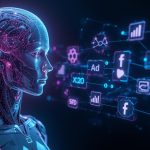






The fusion of Augmented Reality (AR) and Artificial Intelligence (AI) is transforming the marketing landscape. While AR allows consumers to experience products and services in immersive, interactive ways, AI powers these experiences with intelligence, personalization, and predictive insights. Together, these technologies are enabling marketers to create engaging, data-driven, and highly personalized campaigns that were unimaginable just a few years ago.
By integrating AR and AI, brands are redefining how consumers interact with products, perceive value, and make purchasing decisions. This article explores the synergy between AR and AI in marketing, key applications, benefits, challenges, and strategies for brands to harness these technologies effectively.
- Understanding AR and AI in Marketing
Before diving into their combined potential, it is important to understand how AR and AI function individually in marketing contexts:
- Augmented Reality (AR)
AR overlays digital content onto the real world, enhancing the physical environment with interactive visuals, animations, or information. In marketing, AR enables consumers to:
- Visualize products in real-world settings
- Try on virtual clothing, accessories, or makeup
- Interact with branded experiences through apps or social media filters
By providing experiential marketing opportunities, AR helps consumers make informed decisions and increases engagement.
- Artificial Intelligence (AI)
AI refers to technologies that can analyze data, recognize patterns, and make predictions or decisions. In marketing, AI is used for:
- Personalizing content and recommendations
- Predicting consumer behavior
- Optimizing ad targeting
- Automating customer support through chatbots
While AR focuses on visual and experiential interaction, AI enhances these experiences by understanding user preferences, predicting needs, and delivering dynamic content.
- The Intersection of AR and AI in Marketing
When combined, AR and AI create immersive, personalized, and intelligent marketing experiences. AI can analyze consumer behavior during AR interactions and adapt content in real time. This synergy allows marketers to:
- Personalize AR experiences based on user data
- Predict consumer preferences and suggest products
- Optimize engagement by dynamically adjusting AR content
- Measure and analyze interactions for actionable insights
For example, an AI-powered AR app for furniture retail can allow a user to place a virtual sofa in their living room. AI analyzes the room’s dimensions, lighting, and style preferences to recommend complementary furniture, color schemes, or décor items. The result is a seamless, personalized shopping experience that drives engagement and conversion.
- Key Applications of AR and AI in Marketing
- Virtual Try-Ons
In fashion, beauty, and eyewear, AR enables virtual try-ons, letting consumers see how products look before purchasing. AI enhances this by analyzing facial features, skin tones, or body measurements to recommend the best-fitting or most flattering options. Brands like Sephora and Warby Parker have successfully implemented these technologies to reduce returns and increase confidence in online purchases.
- Interactive Product Visualization
AR allows consumers to visualize products in their own environment, whether it’s furniture, electronics, or home décor. AI can optimize these AR experiences by:
- Recognizing room dimensions and layouts
- Recommending complementary products
- Predicting products a consumer may like based on past interactions
This interactive personalization increases the likelihood of purchase by helping consumers make informed decisions.
- Gamified Marketing Experiences
AR combined with AI can power gamified campaigns, engaging users with interactive challenges or branded games. AI tracks user behavior, adapts difficulty, and personalizes rewards to maximize engagement. Gamified AR campaigns are particularly effective in increasing brand awareness and social media interaction.
- AI-Enhanced AR Advertising
AR ads are more engaging than static visuals, and AI can make them dynamic and context-aware. For instance, AI can analyze a user’s location, time of day, or past purchases to show AR ads tailored to their preferences. This makes marketing more relevant, timely, and effective.
- Immersive Storytelling
Brands can use AR to tell stories that immerse consumers in their narrative. AI can adjust the storyline, visuals, or product placement in real time based on user interactions, creating personalized storytelling that resonates deeply with individual users.
- Benefits of Combining AR and AI in Marketing
The synergy between AR and AI offers several strategic advantages:
- Enhanced Engagement
Interactive and personalized AR experiences powered by AI capture consumer attention far better than traditional marketing methods. Engaged users are more likely to explore products, share experiences, and convert into buyers.
- Improved Personalization
AI enables AR experiences to be tailored to individual preferences, increasing relevance and satisfaction. Personalized interactions foster trust and brand loyalty.
- Reduced Returns and Increased Confidence
AR try-ons and product visualizations help consumers make better-informed choices, reducing returns and dissatisfaction. AI recommendations further guide users toward suitable options.
- Data-Driven Insights
Every interaction with AR content generates data. AI analyzes this information to uncover behavioral trends, preferences, and engagement patterns, helping marketers refine campaigns and strategies.
- Competitive Differentiation
Brands that integrate AR and AI demonstrate innovation and customer-centricity, differentiating themselves in crowded markets and attracting tech-savvy consumers.
- Challenges and Considerations
Despite its potential, combining AR and AI in marketing presents challenges:
- High Development Costs
Creating AI-powered AR experiences can require significant investment in technology, design, and data infrastructure. Small and medium-sized businesses may face resource constraints.
- Privacy Concerns
AR experiences often rely on cameras, location data, and personal preferences. AI processing of this information raises privacy and security concerns, requiring transparent data handling and user consent.
- Technical Limitations
AI-driven AR experiences depend on device capabilities, internet speed, and app performance. Poor execution can result in lag, inaccurate visualization, or user frustration.
- Ethical Considerations
AI recommendations in AR experiences must be ethical, avoiding manipulative tactics that exploit consumer behavior. Transparency and trust are crucial to long-term success.
- Strategies for Implementing AR and AI Responsibly
- Focus on Value, Not Novelty
Ensure AR experiences deliver real benefits—helping consumers try products, visualize results, or make informed decisions—rather than serving purely as gimmicks.
- Prioritize Privacy
Clearly communicate how user data will be collected, stored, and used. Obtain consent and allow users to control their data preferences.
- Test and Optimize
Continuously monitor AR interactions and AI recommendations. Optimize for accuracy, personalization, and engagement, and gather feedback to refine the experience.
- Integrate Seamlessly with Marketing Ecosystem
AR and AI should complement other marketing channels, including social media, email campaigns, and e-commerce platforms, ensuring a consistent brand experience.
- Ethical AI Practices
Use AI responsibly by avoiding manipulative recommendations, biased personalization, or intrusive tracking. Ethical AI fosters trust and long-term brand loyalty.
- The Future of AR and AI in Marketing
The convergence of AR and AI is still in its early stages, but the potential is vast. Future trends may include:
- Voice-Activated AR Experiences: Combining voice commands with AR visualization for hands-free, immersive interaction.
- Predictive AR Shopping: AI predicting needs before the user engages with the AR experience, suggesting products in real time.
- Cross-Platform AR: AR experiences integrated across mobile, smart glasses, and social media platforms, personalized by AI.
- Hyper-Personalized Storytelling: AI dynamically adjusting AR narratives to align with individual preferences, behaviors, and emotional responses.
These developments suggest that AR and AI will reshape consumer expectations, making immersive, intelligent, and personalized interactions the standard in marketing.
- Conclusion
The combination of AR and AI represents a powerful paradigm shift in marketing. AR delivers immersive, interactive experiences, while AI personalizes, predicts, and optimizes these experiences based on consumer behavior. Together, they allow brands to engage consumers in ways that are dynamic, personalized, and data-driven, influencing decisions, enhancing satisfaction, and fostering loyalty.
While challenges such as privacy, cost, and technical limitations exist, brands that adopt responsible strategies can leverage AR and AI to differentiate themselves in the market, build stronger connections with consumers, and drive meaningful business outcomes.
As technology advances, the synergy between AR and AI will continue to redefine marketing, creating experiences where consumers are not just observers but active participants, guided by intelligent insights that make interactions seamless, relevant, and memorable.
For marketers, understanding and harnessing this convergence is no longer optional—it is essential for staying competitive in a rapidly evolving digital landscape. The future of marketing is interactive, intelligent, and immersive, and the partnership of AR and AI is leading the way.


